Author: David Anderson

  • Cull Cow Prices Continue Slow Slide

    Cull Cow Prices Continue Slow Slide

    Cull cow and cow-beef prices have slowly declined from their peak.  Auction prices in the Southern Plains peaked at $187 per cwt and have since declined to about $172 in early August.  National average cutter cow values have declined from about $156 to $142 per cwt over the same period.  While prices have declined, they remain higher than last year.  Cow beef markets have declined in price along with the live cow market.  The boxed cow-beef cutout has declined from about $361 to $353 per cwt over the last two months.  Wholesale 90 percent boneless lean beef has declined about $8 per cwt over the same time period to $456 per cwt. 

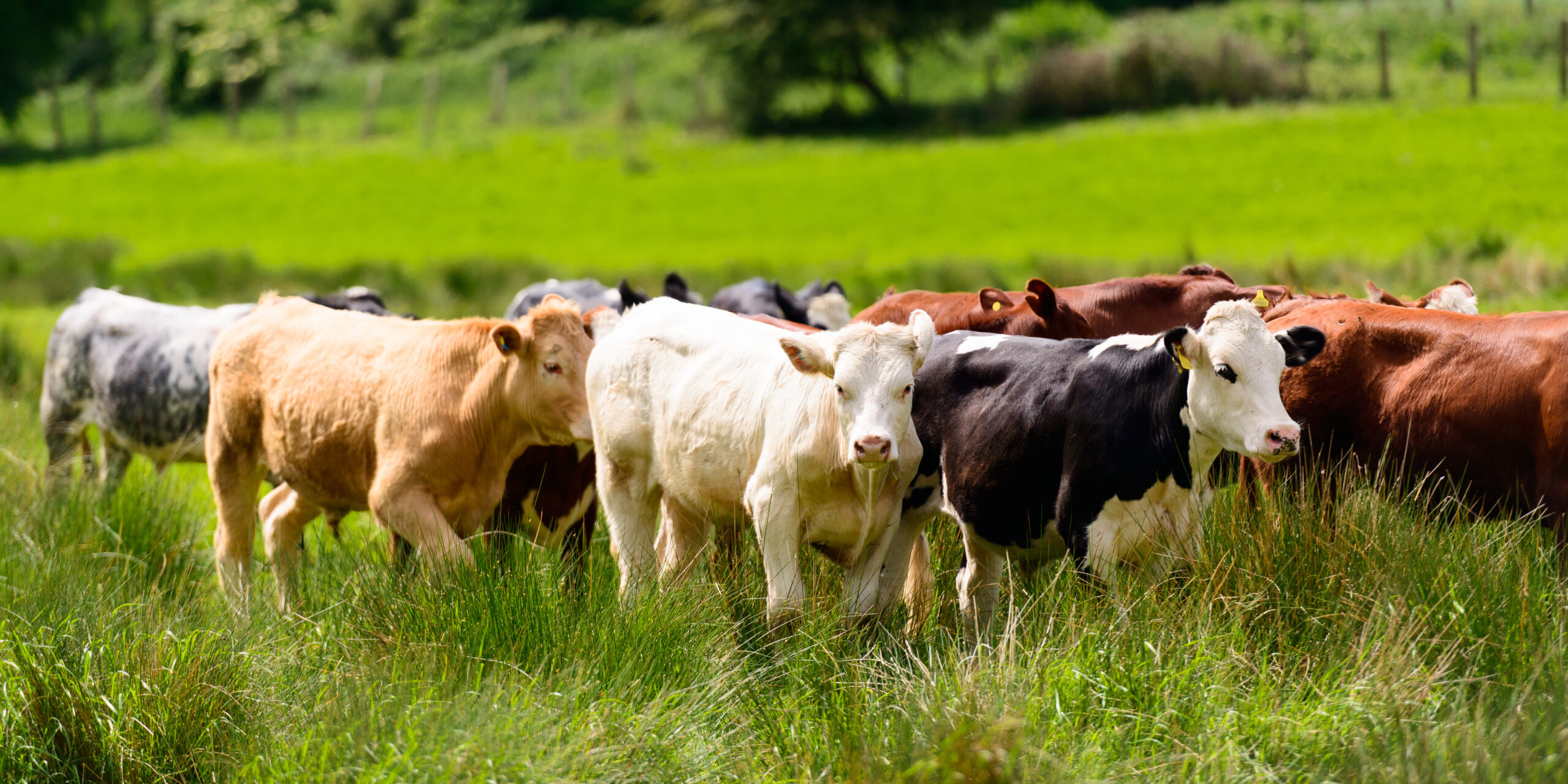
    Cow culling is poised to increase, seasonally, led by larger dairy cow slaughter.  For the year, dairy cow slaughter is up 4.6 percent, or 66,300 head, compared to last year.  Weekly culling tends to increase by about 10 percent from mid-year to Fall.  The larger dairy herd should support the increase in culling and likely a larger than normal seasonal increase. 

    Beef cow slaughter remains historically small.  After experiencing its seasonal mid-year increase, slaughter has begun to decline, with the week of July 25th only 36,500, one of the smallest non-holiday slaughter weeks on record.  Over the last 4 weeks, total cow slaughter has been 2,500 head below last year.  For the year to date, weekly total cow slaughter is 4,500 head lower than last year.  The year-over-year decline in beef cow slaughter is narrowing.

    Cow slaughter should continue to increase seasonally as dairy cow slaughter remains close to last year’s levels.  Beef cow slaughter should remain below last year but increase into Fall after calf weaning.  Beef demand remains strong, which will keep prices at historically high levels.  But it’s worth remembering that cull cow prices tend to decline through the end of the year.  Overall tight supplies kept cow prices from declining last year, and tight supplies this year will moderate any potential decline. 


    Recommended citation format: Anderson, David. “Cull Cow Prices Continue Slow Slide.Southern Ag Today 6(34.2). August 18, 2026. Permalink

  • Choice Cutout Turning the Corner?

    Choice Cutout Turning the Corner?

    Authors: David Anderson and Josh Maples

    Since hitting $396.53 for the week ending June 23rd the Choice boxed beef cutout value has steadily declined losing over $33 per cwt to $362.81 by the first of August.  But, over the last week the Choice weekly average cutout value gained almost $4 per cwt.  It looks like the cutout has turned the corner and is poised for some gains.

    This slump in the cutout value, as a proxy for the wholesale value of Choice beef, mirrors the decline in the fed cattle market over the same time period.  Both lost about 12 percent of their value and both have rebounded over the last week.  

    Wholesale beef values, as measured by the cutout, often decline this time of the year.  From a beef supply standpoint, beef production normally increases during the Summer compared to Spring.  On the demand side, we are past the grilling season bump in demand.  It’s also the “dog days of Summer,” and its a long time from the Fourth of July to Labor Day to get another holiday demand bump.  

    Of the 7 primals that make up the cutout value, the rib, loin, round, and brisket have increased pulling the cutout higher.  The rib has jumped from $548 to $587 per cwt over the last 2 weeks and is close to its highest value of the year.  Chuck, plate, and flank primals have slowed their decline but not quite begun to increase. 

    This recent decline in the cutout pulled its value below that of a year ago for the first time in calendar year 2026.  Last year’s counter-seasonal summer decline in beef production compared to Spring production fueled very high cutout values.  Most of the primal cut values have been higher than last year for most of 2026. 

    It’s likely that the cutout value will continue to increase in coming weeks.  Beef production remains below a year ago, although, the weekly declines in beef production compared to last year have gotten smaller in the last couple of months. Tighter beef supplies will bring some more price strength.  The rising cutout will lend some support to fed cattle, feeder cattle, and calf prices in coming weeks.


    Anderson, David, and Josh Maples. “Choice Cutout Turning the Corner?Southern Ag Today 6(33.2). August 11, 2026. Permalink

  • Dairy Prices Slumping Amid Record Production

    Dairy Prices Slumping Amid Record Production

    Milk production has been booming, with May marking the 15th consecutive month with year-over-year increases in production.  February 2025 was the last month with a decline in milk production compared to the same month in the prior year.  Milk production totaled 20.565 billion pounds in May, up 2.3 percent compared to last May.  That was the largest monthly milk production on record.  Production per cow of 2,128 pounds was a new record high.  

    In the South, USDA reports cow numbers and milk production for Georgia, Florida, Virginia, and Texas.  Compared to last year, milk cow numbers were up 5,000 head in Florida, up 1,000 head in Georgia, and down 1,000 head in Virginia.  Texas grew by 28,000 head in May, continuing the rapid growth in the Texas Panhandle.  Growth in milk production in the other parts of the country means that milk production in the South continues to make up a shrinking share of U.S. milk production.

    Production has been driven by profitable milk prices, growing milk processing capacity, record high calf and cull cow prices, and falling feed costs. The U.S. all-milk price (a weighted average price received by dairy farmers across all uses) began 2025 at $24.10 per cwt but fell to $17.50 by January 2026 as milk production expanded.  In the face of rising milk production, milk price rebounded to almost $21 per cwt by April 2026.  

    Milk prices were driven higher by a tremendous increase in nonfat dry milk powder that increased from $1.18 per pound in January to $2.13 by June.  But, it appears that production growth has begun to weigh on prices.  Nonfat dry milk price has declined to $1.84 per pound at the end of June.  Cheese, butter, and whey prices, the other major products used to calculate federal milk marketing order milk prices, are also declining.  Lower dairy product prices will start to show up in dairy producer’s milk checks in coming weeks and months.  Falling milk prices are not the only problem.  Dairy producers face the same rising fertilizer and fuel prices as the rest of agriculture.  Replacement heifer prices have hit record highs as supplies have tightened due to producing more crossbred dairy-beef calves rather than replacement heifers for sale.  Milk production should decline seasonally during the coming months, but it will remain ahead of last year.  


    Recommended citation format: Anderson, David. “Dairy Prices Slumping Amid Record Production.” Southern Ag Today 6(28.2). July 7, 2026. Permalink

  • Little Growth in Pork Production Ahead

    Little Growth in Pork Production Ahead

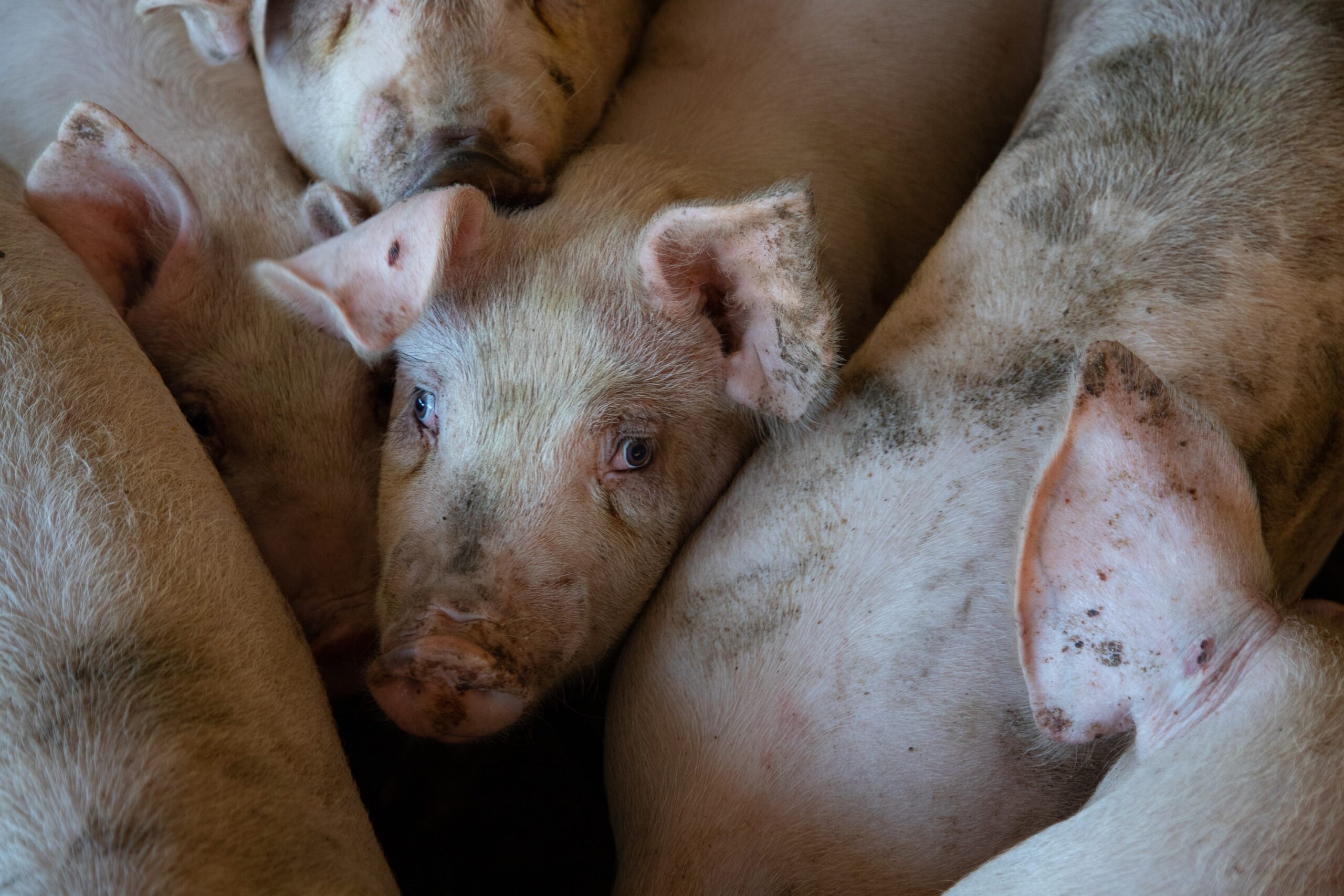
    The hog market has a number of interesting contradictions.  Amid the factors of profitable production, live and cutout values well below last year, and little growth in production, USDA released its June 1 Hogs and Pigs report last week, and it continued to show a smaller breeding herd.

    The breeding herd was estimated to be 5.88 million head, down 1.2 percent compared to last year.  That is the smallest herd since 2014 and the 6th consecutive year of declines in the June 1 breeding herd.  The number of market hogs was even with last year.  The number of pigs per litter over the December 2025-May 2026 time period hit a record high of 11.88.  Market hog production has been boosted by pigs per litter, which has offset the decline in the number of sows farrowing.  

    The lack of growth in the sow herd is interesting given the Iowa State University estimate of farrow to finish hog profits.  The April 2026 data was the 24th consecutive month of estimated profits.  Normally profits jump start expansion, yet that has not occurred due to a number of headwinds.  Expansion often requires new barns, and rising construction costs have likely offset estimated future profits.  Animal health and sow mortality have likely constrained expansion.  Falling feed costs have been a big reason for profits.  High prices boosted profits dramatically in the middle of 2025, but prices have seen little increase in 2026.

    Hog prices, as reported by the national weighted average carcass price, peaked last July at $108.79 per cwt.   Prices entering July this year were $92 per cwt.  The pork cutout value is about 20 percent lower than last year and is also below the 5-year average value.  Wholesale prices for hams, bellies, loins, and trimmings are all lower than last year.  Only spareribs are higher than last year.  The futures market is not indicating higher prices for the rest of the year.  Neither pork nor hog prices indicate much potential for herd growth in the coming months.  

    Happy 250th 4th of July to all of you from us livestock economists at SAT!  We hope you find something great to put on the grill or smoker and celebrate, looking forward to the next 250.  


    Recommended citation format: Anderson, David. “Little Growth in Pork Production Ahead.Southern Ag Today 6(27.2). June 30, 2026. Permalink

  • Feedlot Placements and Marketings Drop Sharply

    Feedlot Placements and Marketings Drop Sharply

    The latest USDA Cattle on Feed report was released on Thursday, June 18th.  While there weren’t any big surprises in the report, it highlighted several interesting trends that will be worth watching over the next few months.

    May feedlot marketings, those cattle sold by feedlots to packers, were down 11.8 percent compared to last May.  Part of that decline was due to one less operating day in May 2026 compared to May 2025, which cut about 5 percentage points off marketings.  But, marketings remained low regardless of the number of days.  More days on feed, reduced packing plant schedules, and fewer cattle have slowed marketings.  

    Placements of cattle into feedyards were down 9.7 percent compared to last May.  Normally, close to 200,000 more feeders are placed in May than in April each year.  The larger May placements are often driven by cattle coming off wheat pasture that has been grazed out or other winter grazing programs reaching the end of cool season grass pastures.  This year, May placements were only 2,000 head more than April.  May placements were almost smaller than April for the first time.  It’s likely that some cattle that would have been placed in May were pulled forward into April given the drought status of many areas.  One of the other interesting trends in placements this year is the small month to month differences.  Monthly placements in 2026 have ranged from a low of 1.611 million head in February to a high of 1.741 million head in January.  Normally, there is a range of about 300,000 head.  This dampening of seasonal placements may have some interesting effects on marketings and beef supplies late in the year.

    The combination of 1.551 million head marketed and 1.704 million head placed left the total number of cattle on feed larger than last year by 2.1 percent on June 1.  That is the second consecutive month with more cattle on feed than the prior year and it continued the unusual trend of growing numbers on feed in the first half of the year.  What does this mean for the rest of the year?  More cattle on feed may mean more cattle ready for slaughter late in the year compared to last year.  That should pressure prices later in 2026.  The reduced placements might suggest fewer heifers being sent to feedlots but there is little evidence to support that idea.  The July cattle on feed report will include the quarterly estimate of the number of heifers on feed and that will shed some light on heifer retention.


    Recommended citation format: Anderson, David. “Feedlot Placements and Marketings Drop Sharply.Southern Ag Today 6(26.2). June 23, 2026. Permalink