
Category: Specialty Topics

  • What does “Shop Small” mean for your Small Town?

    What does “Shop Small” mean for your Small Town?

    Next week is Thanksgiving, and then the holiday season begins. “You get what you get and don’t throw a fit” may be the national holiday motto this year. National shipping companies have been warning of slow holiday shipping since September. You may be shopping for what you can find in stores near you. Fortunately, local shops have lots to offer. Plus, when you shop locally, your community gains not just the sales tax from your purchase, but also jobs and income, property tax, and vibrancy. If you’re avoiding crowds, many small businesses have website and are still offering curbside pickup.

    The Small Business Administration (SBA) has co-sponsored Small Business Saturday (with American Express) since 2010. The SBA reported that last year, US consumers spent $19.8 billion at independent retailers and restaurants on Small Business Saturday. Still, a 2019 SBA study showed that 70% of U.S. consumers were unaware of the event. Now you know! 

    Among Small Business Saturday shoppers in the 2019 survey, 97% agreed that small businesses are essential to their communities. The Small Business & Entrepreneurship Council notes 98% of businesses have fewer than 20 employees (96% have fewer than 10).


    Dudensing, Rebekka. “What does “Shop Small” mean for your Small Town?Southern Ag Today 1(47.5). November 19, 2021. Permalink
  • Growing Value of U.S. Organic Specialty Crop Sales

    Growing Value of U.S. Organic Specialty Crop Sales

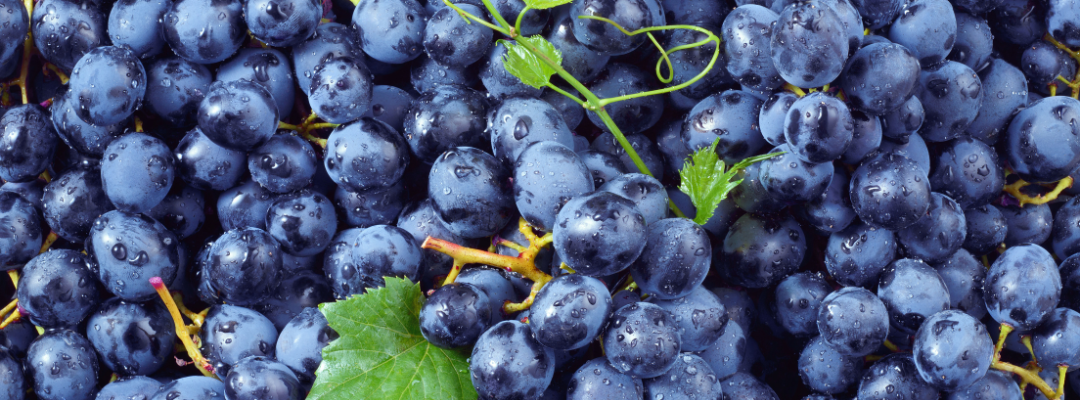
    Sales of organic specialty crops grown in the U.S. rose by about 124 percent from 2014 to 2019, according to the Organic Survey conducted by the U.S. Department of Agriculture. Sales of organic U.S. vegetables increased from $1,248 million to $2,084 million during that period, while sales of organic fruits and tree nuts more than tripled from $586 million in 2014 to $2,022 million in 2019. Top organic vegetables grown in the country in 2019 were lettuce ($400.11 million), spinach ($179.50 million), potatoes ($154.94 million), tomatoes (132.33 million), and carrots ($131.81 million); they constituted 47.9 percent of the U.S. organic vegetables sold. On the other hand, 75.8 percent of all organic fruits sales were for apples ($474.70 million), grapes ($332.49 million), strawberries ($320.79 million), blueberries ($205.23 million), and citrus ($115.87 million). In 2019, organic tree nuts sales totaled $109.75 million, and the main crops grown were walnuts, almonds, pecans, pistachios, and hazelnuts.

    Source: USDA Organic Survey data

    Zapata, Samuel. “Growing Value of U.S. Organic Specialty Crop Sales.” Southern Ag Today 1(45.5). November 5, 2021. Permalink